Why Do Pets Love Chewing Plastic Bags?
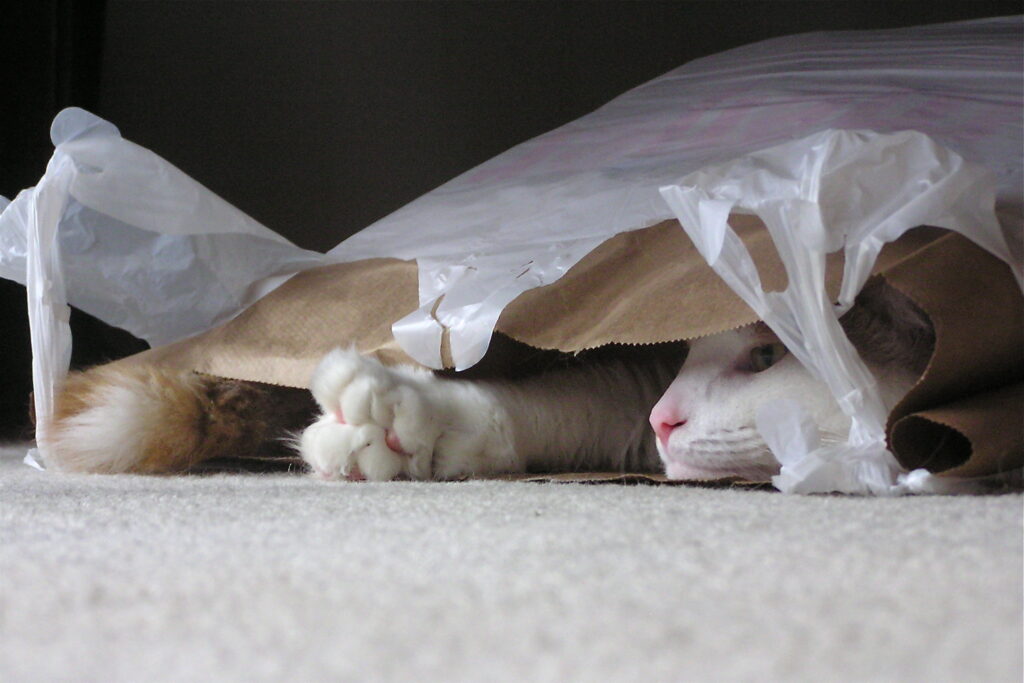
Why do pets chew plastic bags? Many pet owners have had similar experiences. Your pets get obsessed with plastic bags the moment they touch them. They snuggle up frantically. Sometimes toys aren’t enough—they even start chewing directly! Why do cats and dogs love “eating” plastic bags so much?
This is the main driver. Plastic bags’ material, sound, and smell all strongly stimulate pets.
- Sound Stimulation
Dogs and cats have a much wider hearing range than humans (Humans- 20~20000Hz; Cats- 45~64000Hz; Dogs- 67~45000Hz). The rustling sound of crumpled plastic bags is a high-frequency wave. It mimics the daily sounds of natural prey—like mice, insects, and small rodents. This sound triggers their hunting instinct, making them chew the bags. - Tactile Feedback
The thin, flexible texture of plastic bags appeals to their oral tactile receptors. Cats’ mouths are full of sensitive nerves. Chewing plastic feels like biting prey’s skin or feathers to them. For dogs, gums itch during the teething period (3~6 months). The bag’s flexibility relieves discomfort—acting like a chew toy.
- Sharp Sense of Smell
Dogs and cats have far sharper sense of smell than humans. Humans – 3~4M olfactory receptors; cats – 200M (14x stronger); dogs – 120-300M (1,000-10,000x). They detect faint odors humans miss—plastic bags absorb food/oil scents, spurring pets to chew.
- Attraction of Chemical Odors
Plastic bags themselves have a unique smell. Colored, soft bags often contain additives like plasticizers and stabilizers. These chemicals release trace scents similar to fatty acids. Fatty acids are a key odor component of animals’ natural food (e.g., meat, fat). So pets mistake plastic bags for edible food.
-Physical Needs
This is often related to pica—when pets eat non-food items. It may signal physical abnormalities.
- Nutrient Deficiency
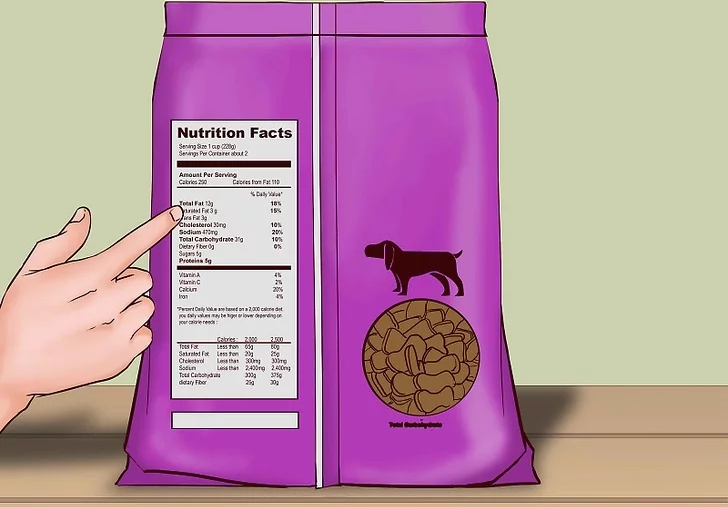
A lack of micronutrients (e.g., B vitamins, iron, zinc) or essential fatty acids in their diet can cause abnormal taste and smell. They may then try to “supplement” by eating non-food items like plastic bags or paper.
- Intestinal Parasites or Digestive Issues
Intestinal parasites can cause appetite disorders and abdominal discomfort in pets. They may eat plastic bags to stimulate intestinal peristalsis. This relieves bloating or itching.
-Behavioral & Environmental Factors
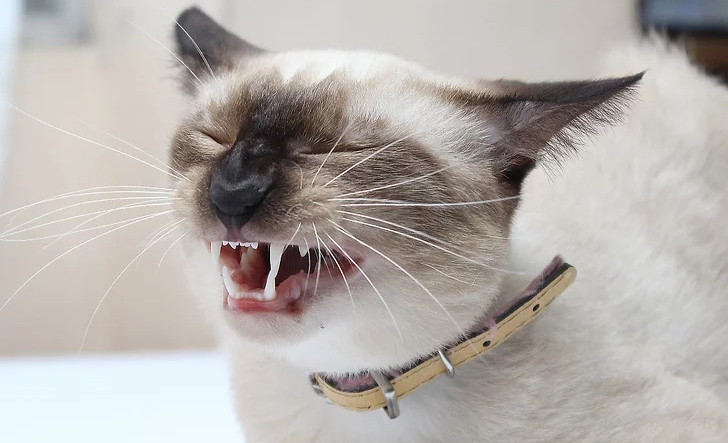
Pets’ behaviors reflect their environment. Chewing plastic bags may be a sign of emotional or environmental issues.
- Boredom, Stress, and Anxiety
If left alone for long periods with little interaction, pets chew foreign objects to pass the time and relieve stress. It’s similar to humans biting nails when nervous. It’s a stereotypic behavior caused by negative emotions. Other examples include excessive licking, tail chasing, or overeating. - Mimicry
If pet owners often use plastic bags to hold food or snacks, dogs form a “plastic bag → food” conditioned reflex. They actively chew bags to search for food. Cats may chew plastic bags out of motivation to learn or imitate.
How Can Pet Owners Address This Behavior?
- Meet Their Sensory Needs
Offer alternative toys- plush toys that mimic rustling sounds, chew sticks, cat scratchers, etc. This effectively diverts their attention from plastic bags. - Improve Their Diet
Ensure a balanced diet with adequate nutrients. Avoid long-term monotonous feeding. If nutrient deficiency is suspected, adjust the diet formula under the guidance of professional veterinarians. Choose high-quality cat or dog food or add supplements.
Relieve Emotional Stress
Create a quiet, comfortable environment for cats and dogs. Minimize anxiety triggers. Increase companionship time and interact more with them. Avoid leaving them alone for long periods.Transition to Biodegradable Plastic Bags as a Responsible Alternative
Traditional plastic bags use low-toxic polyethylene + additives (plasticizers, colorants). Prolonged chewing harms pets’endocrine systems and liver. Ingested non-degradable bags linger in digestion, raising risks of gastrointestinal obstruction or chronic health damage.
Full plastic bag elimination isn’t feasible. Switch to compliant biodegradable bags—made from corn starch/plant fibers, non-toxic. Additives meet food-grade/global environmental standards, protecting pets and the planet.
Biodegradable bags cut toxin risks for chewing pets, but only partially. For full safety, owners must control at the source: keep all plastic bags away from pets.


Pets love chewing plastic bags—not the bags themselves. Misled by their “wrong signals,” it’s due to sensory, physical, and emotional/environmental factors. Knowing these helps owners protect pets via environmental control, behavioral guidance, and dietary tweaks.