To Coat or Not to Coat?
Winter Warmth Tips for Your Furry Friends
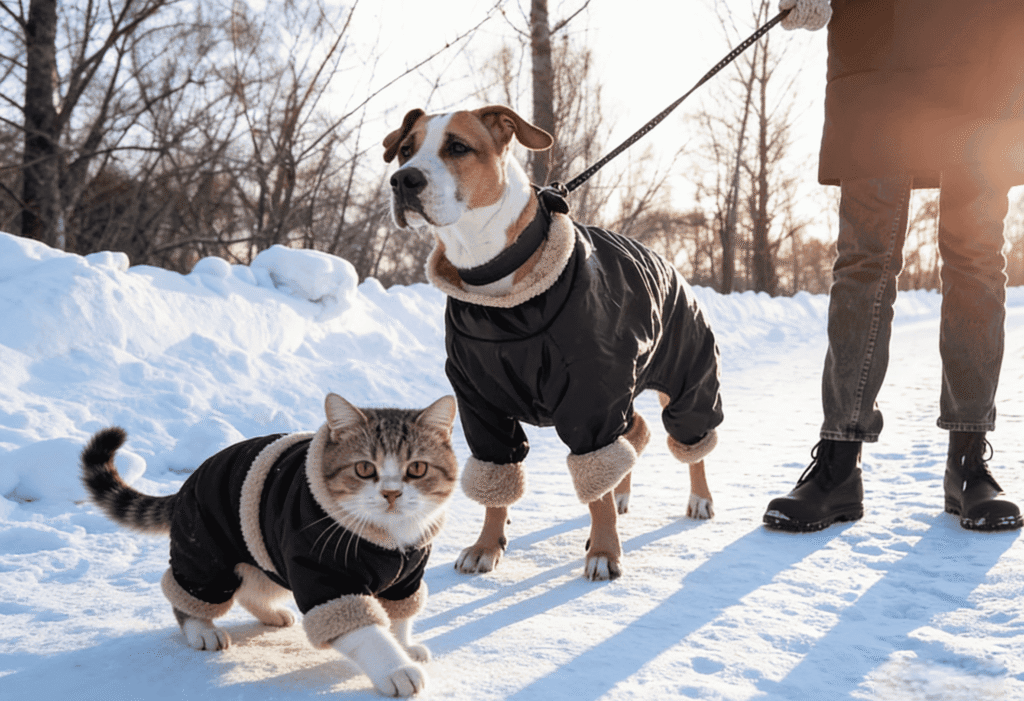
Do pets need winter coats? Temperatures are plummeting, and consecutive severe winter storms have hit much of the eastern U.S. lately. Frigid weather has pet parents—especially new ones—confused – should you dress your curled-up furry pal in a winter coat to keep warm? New pet owners, in particular, often find themselves torn.
Most healthy dogs and cats don’t need extra clothing—their natural fur provides enough cold insulation. However, the decision depends on two key factors – pet breed and ambient temperature. Let’s explore this separately for dogs and cats.
As pets that often accompany their owners outdoors, dogs are more affected by external temperatures. Whether a dog needs a winter coat depends on a combination of breed and scenario. Here are two clear-cut categories to reference-
1、These Dogs Need Winter Coats (Essential for Cold Weather)

- Small-sized breeds – Tiny dogs under 5kg, like Chihuahuas, Toy Poodles, Bichons and Yorkies. Big body surface area vs. weight, limited heat storage—they lose heat 2-3x faster and shiver easily on short walks.
- Short-haired or hairless breeds – Dogs with thin natural insulation, like French Bulldogs, Pugs, Dobermans, and Mexican Hairless Dogs. Their skin is directly exposed to low temperatures, increasing the risk of catching colds and even frostbite.
-
Special health conditions – Senior dogs over 8 (slower metabolism, poor circulation), puppies under 6 months (immature temperature control), plus dogs with arthritis, heart disease or diabetes. Cold worsens discomfort; proper warmth eases symptoms.
-
Specific living environments – Dogs in frigid areas (below 0°C/32°F), damp unheated southern regions, or with over 30 mins daily outdoor time. Winter coats block rain, snow and wind, cutting cold risks.
2、These Dogs Basically Don’t Need Winter Coats
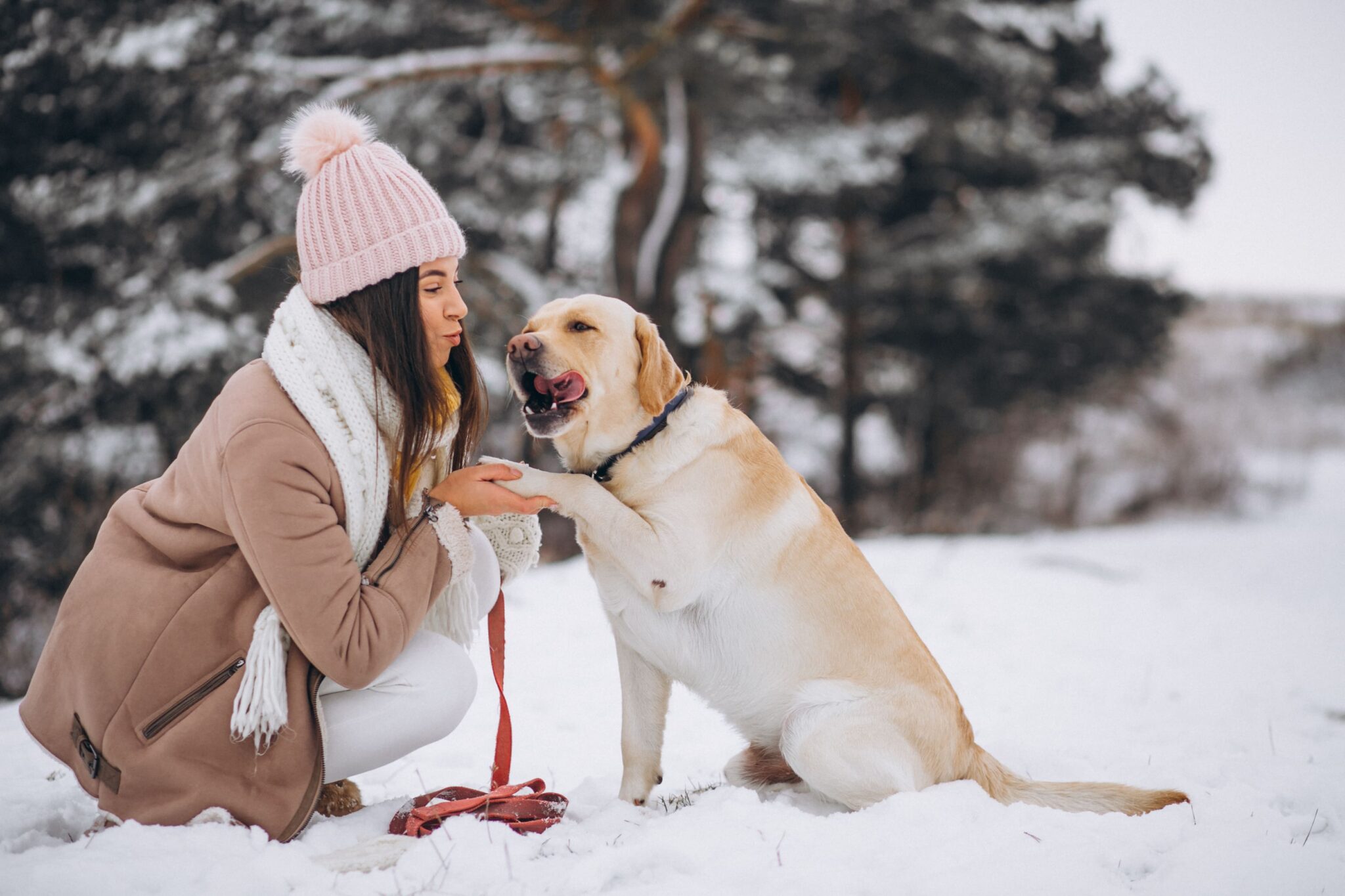
Naturally cold-resistant breeds – medium and large, muscular dogs with thick fur, including Golden Retrievers, Labradors, Siberian Huskies and Alaskan Malamutes. Many have double coats that trap heat efficiently for snow movement—winter coats would cause overheating and fur matting.
- Thick-haired breeds– Long-haired dogs like Samoyeds, Chow Chows, and Border Collies. Their dense natural fur serves as the best “winter jacket,” enabling them to adapt well to low temperatures. Extra clothing is completely unnecessary.
- Indoor-dominant dogs– Dogs that spend less than 10 minutes outdoors daily and stay in temperature-controlled indoor environments most of the time. Their own body heat is sufficient to maintain a stable body temperature, so winter coats are not required.
Cats are naturally independent and value their freedom. Most of them live indoors, so winter coats are more of an optional accessory rather than a necessity. The key considerations are whether the cat is truly sensitive to cold and whether it is willing to wear a coat.
1、These Cats May Benefit from Winter Coats (Optional, Based on Needs)
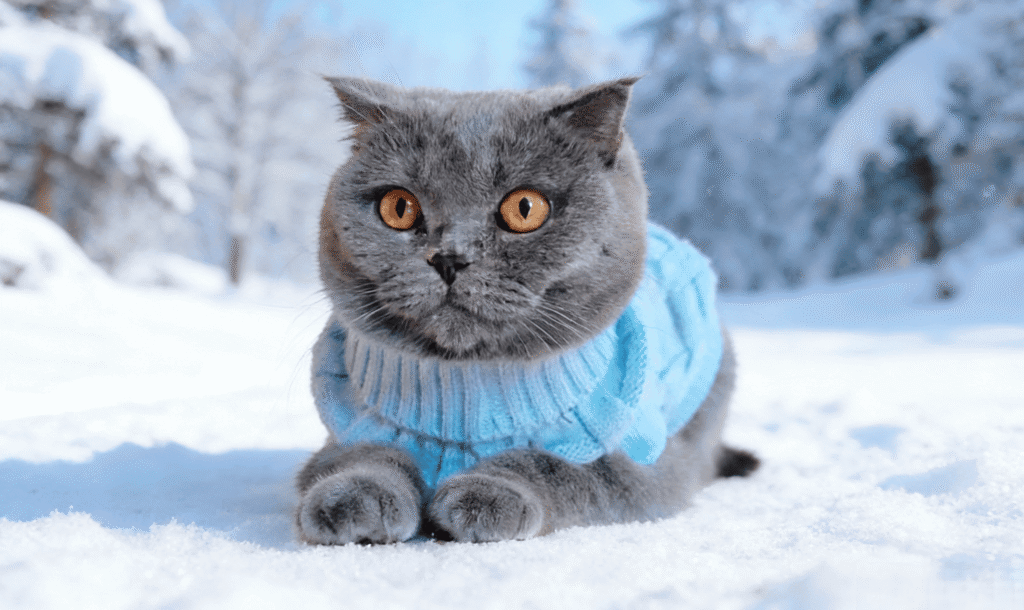
- Short-haired or hairless breeds – Cats with thin fur, such as British Shorthairs, American Shorthairs, Siamese, and Sphynx cats. Their limited insulation makes them prone to shivering and curling up when indoor temperatures drop below 15°C (59°F).
-
Special health conditions – Kittens under 6 months (poor temperature regulation), senior cats over 8 years (slowed metabolism, weaker immunity), and cats with chronic diseases like kidney disease or diabetes. Cold temperatures may cause discomfort, and proper insulation reduces health risks.
- Specific living environments – Free-roaming cats that go outdoors regularly, or cats living in unheated, damp, and cold indoor spaces in southern regions. Winter coats can provide temporary warmth in such cases.
2、These Cats Don’t Need Winter Coats at All
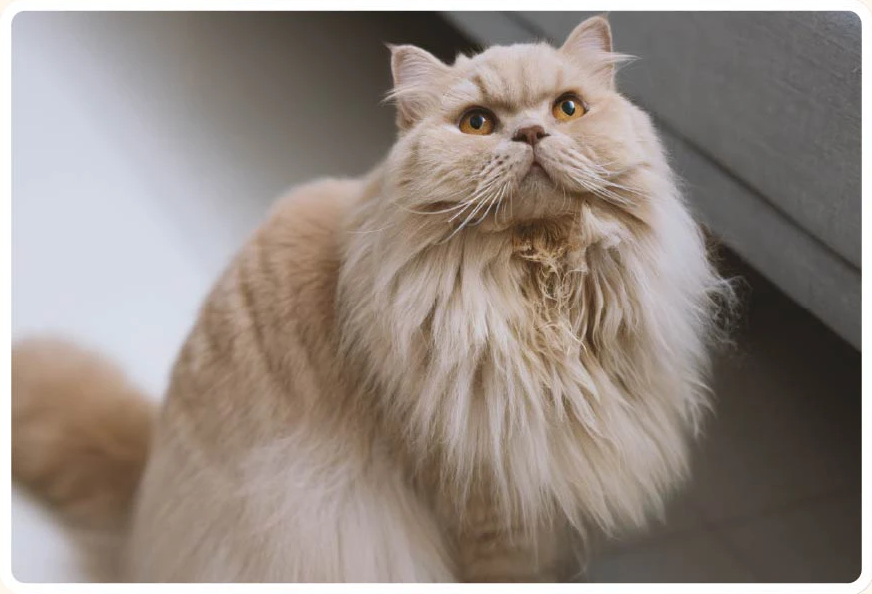
- Thick-haired breeds– Long-haired cats like Ragdolls, Persians, and Maine Coons. Their dense fur locks in heat effectively. Wearing a coat is not only redundant but also may cause fur matting, hinder heat dissipation, and even interfere with their grooming routine.
- Cats that dislike wearing clothes– Indoor-only cats (that can easily find warm spots like sofas or radiators) and cats prone to stress. Cats that struggle, growl, or scratch excessively when dressed may experience anxiety or vomiting, which is harmful to their health.
- Cats in comfortable environments– Cats living in temperature-controlled indoor spaces (temperatures above 20°C / 68°F) or warm regions. Their own body heat is sufficient to keep them warm, so extra clothing is unnecessary.
If your fur baby really needs a winter coat, picking the right one and putting it on the right way is super important. You don’t wanna cause any unnecessary health hiccups, right?
1、 3 Quick Tips for Picking the Perfect Winter Coat (Warm & Cozy!)
- Start with the right fabrics – Go for a windproof, waterproof polyester outer layer—it’ll keep your pet dry in light rain or snow. Stick to soft fleece or cotton linings; skip scratchy synthetics. Pure cotton’s best for hairless or sensitive-skinned pets.
Make sure it fits just right – snug but not tight—you should fit 1 or 2 fingers between the coat and your pet. Too tight crimps blood flow; too loose lets cold air sneak in! Don’t cramp their style—dogs need neck-to-tail coats, cats only do vest styles.
Safety first, always – Skip coats with loose strings, tiny buttons or sequins. These are super risky—pets might chew and swallow them or get tangled up! Keep zippers and Velcro away from skin to avoid pinching when dressing.
2、 Pro Hacks for Dressing Your Pet in Their Winter Coat
Take it slow, don’t rush – If it’s their first coat, start with 5-10 minutes to check their reaction. If they don’t squirm or yank it off right away, slowly extend the time. Dogs max out at 4 hours; cats hate it more, so keep it under 1 hour. Give them a treat while wearing it—makes coats feel like a win!
Clean up right after outdoor time – After rainy/snowy outings, dry their fur right away. Wash the coat and air-dry fully—dampness breeds icky bacteria and skin issues. Brush fur regularly too—prevents matting from coat friction.
Skip these common mistakes – Skip overly thick/heavy coats—they weigh pets down and cause overheating (even colds!). Never let them sleep in coats—super uncomfortable. Coats aren’t everything! Keep rooms cozy: 18-22°C for dogs, 20-26°C for cats.
Do pets need winter coats? They’re for warmth needs, not aesthetics. Whether you dress them or not, prioritize winter care—a warm bed, fresh warm water, less cold outdoor time, and prompt fur drying after walks. Respect their habits and help them get through winter.